

Let’s Talk About Inflammation
What is inflammation?
Inflammation is your body’s defense system.
It’s how your immune system responds when something feels like a threat —
an injury, infection, toxin, stress, poor food, or even emotional overload.
There are two types:
🔥 Acute inflammation (helpful)
Short-term. Happens when you cut your finger or fight off a cold.
Your body sends immune cells to heal. Then it turns off.
🌫 Chronic inflammation (the problem)
Low-grade, constant immune activation.
Nothing obvious is “wrong,” but your body stays in fight mode.
That’s where symptoms start creeping in.
What does inflammation look like?
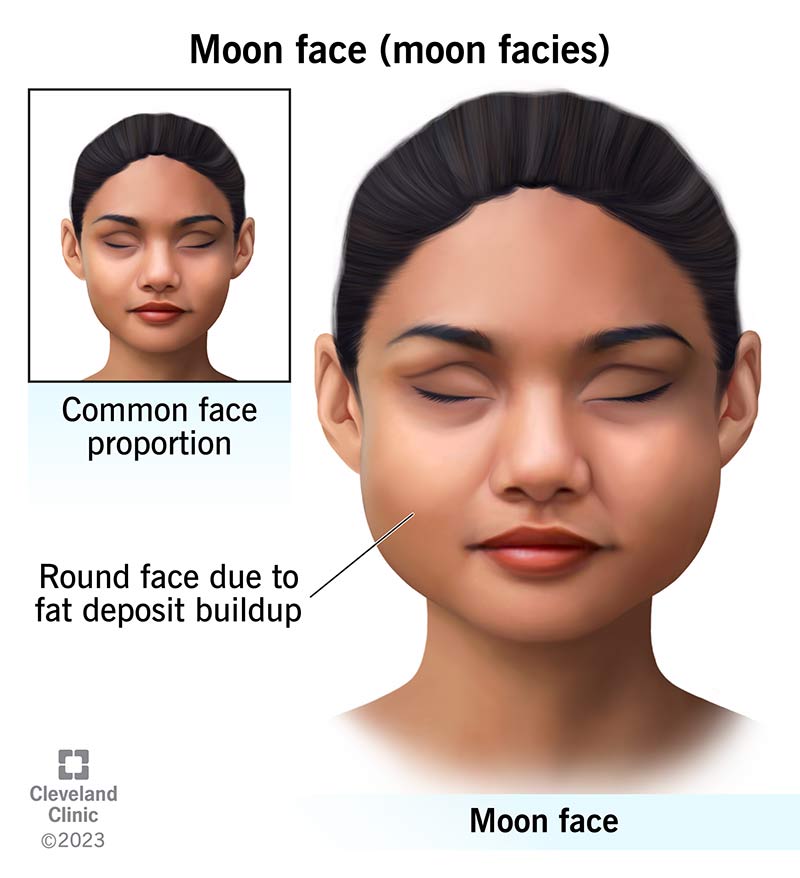

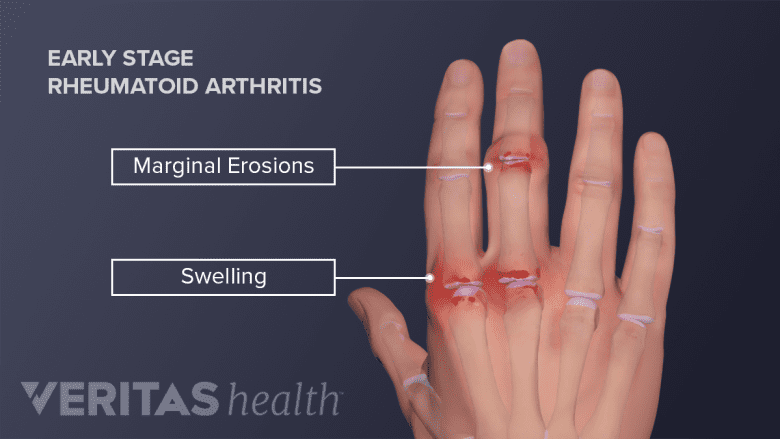
Chronic inflammation often shows up subtly:
-
Puffiness (especially face & belly)
-
Bloating
-
Joint stiffness or swelling
-
Skin issues (acne, redness, rashes)
-
Weight that won’t budge
-
Dark under-eye circles
-
Digestive problems
What does inflammation feel like?
It doesn’t always feel dramatic — it feels like:
-
Constant fatigue
-
Brain fog
-
Low motivation
-
Body aches
-
Headaches
-
Mood swings
-
Feeling “wired but tired”
-
Poor sleep
Many women in perimenopause think this is just “aging.”
It’s often inflammation + hormone shifts together.
The connection between inflammation & cancer
Chronic inflammation creates an environment in the body where:
-
Cells are under constant stress
-
DNA damage is more likely
-
Immune regulation becomes weaker
-
Damaged cells may not be cleared as efficiently
Inflammation doesn’t cause cancer by itself — but long-term, uncontrolled inflammation is considered one of the major contributors to disease processes, including cancer, heart disease, and autoimmune issues.
Your body is meant to cycle between stress → repair → rest.
Modern life keeps us stuck in stress → stress → stress.
Things that HELP lower inflammation


Anti-inflammatory foods
-
Berries (blueberries especially)
-
Leafy greens
-
Salmon & fatty fish
-
Olive oil
-
Avocado
-
Eggs
-
Herbs & spices (turmeric, ginger, garlic)
⏳ Fasting (when appropriate)
Fasting gives digestion a break and helps:
-
Lower blood sugar & insulin
-
Activate cellular cleanup processes
-
Reduce inflammatory signaling
-
Improve metabolic flexibility
💤 Sleep
Deep sleep is when inflammation markers drop.
🚶♀️ Gentle movement
Walking, stretching, strength training — not constant high-intensity stress.
🌞 Sunlight + circadian rhythm
Your immune system follows your light exposure.
🧠 Nervous system regulation
Deep breathing, nature, quiet time — lowers inflammatory signals.
Things that INCREASE inflammation
🍩 Diet triggers
-
High sugar
-
Refined carbs
-
Processed foods
-
Seed oils in excess
-
Alcohol overuse
😰 Stress & cortisol
Chronic stress keeps cortisol elevated → immune imbalance → inflammation.
🛌 Poor sleep
Even one bad night increases inflammatory markers.
🪑 Sedentary lifestyle
No movement = poor circulation + immune stagnation.
🧪 Blood sugar spikes
Rollercoaster glucose = inflammatory signaling.
☀️ Vitamin D — The Inflammation Regulator Most People Are Low In
Vitamin D isn’t just a vitamin — it acts more like a hormone in the body, and it’s one of the most important regulators of the immune system.
When vitamin D levels are low, the immune system is more likely to:
-
Stay in inflammatory mode
-
Overreact
-
Lose proper regulation
-
Contribute to autoimmune flare-ups
This is one reason autoimmune conditions are more common in places with long winters and limited sun exposure.
How vitamin D helps:
✔ Supports immune balance (not overreaction, not underreaction)
✔ Helps reduce inflammatory signaling
✔ Supports mood and mental clarity
✔ Works with calcium for bone health
✔ Helps regulate hormones
Sunlight is the most natural way to make vitamin D.
When your skin is exposed to sunlight, your body produces vitamin D on its own — something food alone rarely provides enough of.
Ways to support healthy vitamin D levels:
☀️ Safe sun exposure when possible
🥚 Egg yolks
🐟 Fatty fish (salmon, sardines)
🧈 Grass-fed dairy (if tolerated)
💊 Supplementation (especially in winter months, if levels are low)
Vitamin D is like telling the immune system:
“You can stand down now. The threat is over.”
And for people dealing with chronic inflammation or autoimmune issues, that signal matters.
🤰 The “Inflamed Belly” — What’s Really Going On?
That lower belly puffiness that:
• shows up by the end of the day
• makes jeans feel tight
• feels hard or swollen
• comes with gas, pressure, or discomfort
That’s often inflammation in the gut, not just “weight gain.”
Your digestive system is a major control center for the immune system. When the gut lining is irritated, stressed, or overwhelmed, inflammation rises — and the belly is often where you feel it first.
Why the belly gets inflamed
🥖 Processed foods & sugar → irritate the gut lining
🦠 Gut imbalance → poor bacteria overgrow
😰 Stress → slows digestion & increases gut inflammation
💤 Poor sleep → worsens inflammatory signaling
🧠 High cortisol → pushes fat storage to the abdomen
🩸 Blood sugar spikes → inflammatory cascade
🌿 Food sensitivities → immune activation in the gut
The gut and immune system are deeply connected — about 70% of the immune system lives in the gut.
When the gut is inflamed, the whole body often feels it.
What it feels like
Women describe it as:
• “I wake up flat but end the day 6 months pregnant.”
• Tight, uncomfortable pressure
• Gurgling digestion
• Irregular bowel movements
• Feeling heavy or sluggish
This isn’t a willpower problem.
It’s often an inflammation + hormone + stress combination.
That round, hard, “pregnant-looking” belly some men develop isn’t just from beer.
It’s often a mix of:
• Visceral fat (fat around organs)
• Gut inflammation
• Fluid retention
• Hormone changes
• Chronic stress
And unlike soft fat under the skin, this deeper abdominal swelling is more metabolically active and inflammatory.
Why men develop the inflamed belly
🍺 Alcohol
Beer especially:
-
Irritates the gut lining
-
Feeds poor gut bacteria
-
Raises inflammation
-
Impacts liver function
-
Disrupts hormone balance
🧠 Chronic stress & cortisol
Men often live in “go mode” → high cortisol.
Cortisol signals the body to store fat in the abdomen and increases inflammatory signaling.
🍞 Refined carbs & sugar
Bread, pasta, soda, snacks → blood sugar spikes → inflammation → belly storage.
🪑 Sedentary lifestyle
Sitting long periods slows circulation and metabolism.
🧪 Hormone shifts
Testosterone naturally declines with age. Lower testosterone is linked to:
-
More belly fat
-
More inflammation
-
Reduced muscle mass
🦠 Gut inflammation
Poor digestion + alcohol + stress = irritated gut → bloating + immune activation.
Why it looks “pregnant”
The belly can look firm and pushed outward because:
• Visceral fat sits behind the abdominal muscles
• Gas & bloating increase internal pressure
• Inflammation causes tissue swelling
• Poor posture makes it protrude more
It’s not just subcutaneous fat you can pinch — it’s deeper.
Why this matters
Chronic abdominal inflammation is linked to higher risk for:
• Heart disease
• Type 2 diabetes
• Fatty liver
• Metabolic syndrome
• Certain cancers
This isn’t about appearance. It’s about metabolic stress.

The big takeaway
Inflammation isn’t your enemy.
Unresolved inflammation is.
Your body is asking for:
✔ Less overload
✔ More nourishment
✔ More recovery
✔ Less constant stimulation
Small daily changes reduce inflammation subtly over time, and that’s where real healing happens.