

Homemade Bread vs Store Bought Bread
How one simple swap can make a quiet difference
Healthy eating does not have to start with extreme changes or complicated rules. Sometimes it starts with one small, reasonable swap that adds up over time.
Bread is a great example.
Most people eat it regularly, which makes it a powerful place to simplify without feeling overwhelmed.
Homemade Bread Is Easier Than Most People Think
One of the biggest reasons people avoid homemade bread is because they think it is complicated.
It isn’t.
Most bread machines come with a basic white bread recipe right in the manual.
That recipe is there for a reason. It works.
If you are new, start there. No substitutions. No upgrades. Just follow it.
The Bread Machine Does All the Work
This is the part many people do not realize.
With a bread machine:
-
You add the ingredients in the order listed
-
You close the lid
-
You press start
That’s it.
No mixing.
No kneading.
No rising schedules.
No babysitting.
The machine:
-
Mixes the dough
-
Kneads it
-
Lets it rise
-
Bakes it
-
Turns itself off when finished
It even beeps to let you know it’s done.
You do not have to stand there or watch it.

Why Homemade Bread Is Different
When you make bread at home, even in a machine, you control the ingredients.
That usually means:
-
Flour
-
Water
-
Yeast
-
Salt
-
Sometimes a little oil or honey
Nothing designed for shelf stability. Just food.
What’s Often in Store Bought Bread
Most store bought breads are made to last weeks, not to nourish.
That often means:
-
Preservatives
-
Dough conditioners
-
Emulsifiers
-
Added sugars
-
Bleached flour
Some commercial breads also contain potassium bromate, a dough strengthener that has been banned or restricted in many countries due to health concerns.
Even breads marketed as “healthy” can be heavily processed once you read the label.
Why Unbleached Flour Matters
Homemade bread usually uses unbleached flour, which avoids chemical bleaching agents used to whiten flour.
Unbleached flour:
-
Is less processed
-
Retains its natural structure
-
Is easier for many people to digest
Again, this is a small detail. But small details add up.
The Health Difference Is Quiet, Not Extreme
This is not about fear or perfection.
Swapping store bought bread for homemade bread can:
-
Reduce daily additive exposure
-
Support digestion and gut comfort
-
Help stabilize blood sugar for some people
-
Reduce intake of ultra processed foods
No extremes. Just simplification.
Why This Swap Works for Real Life
Using a bread machine:
-
Takes about 5 minutes to load
-
Uses affordable, familiar ingredients
-
Fits into busy schedules
-
Saves money over time
It is not “from scratch in a stressful way.”
It is automated cooking.
A Note About “Doing It the Old Fashioned Way”
A lot of people assume that if they are not making bread the traditional way, it somehow does not count.
Kneading by hand.
Letting it rise.
Punching it down.
Letting it rise again.
Timing temperatures.
Babysitting sourdough starters.
That approach can be beautiful, but it is also exhausting for most people.
Trying to do everything the old fashioned way is one of the fastest paths to burnout, especially for people who are already busy, tired, or just trying to eat a little better.
This is why bread machines exist.
They remove friction.
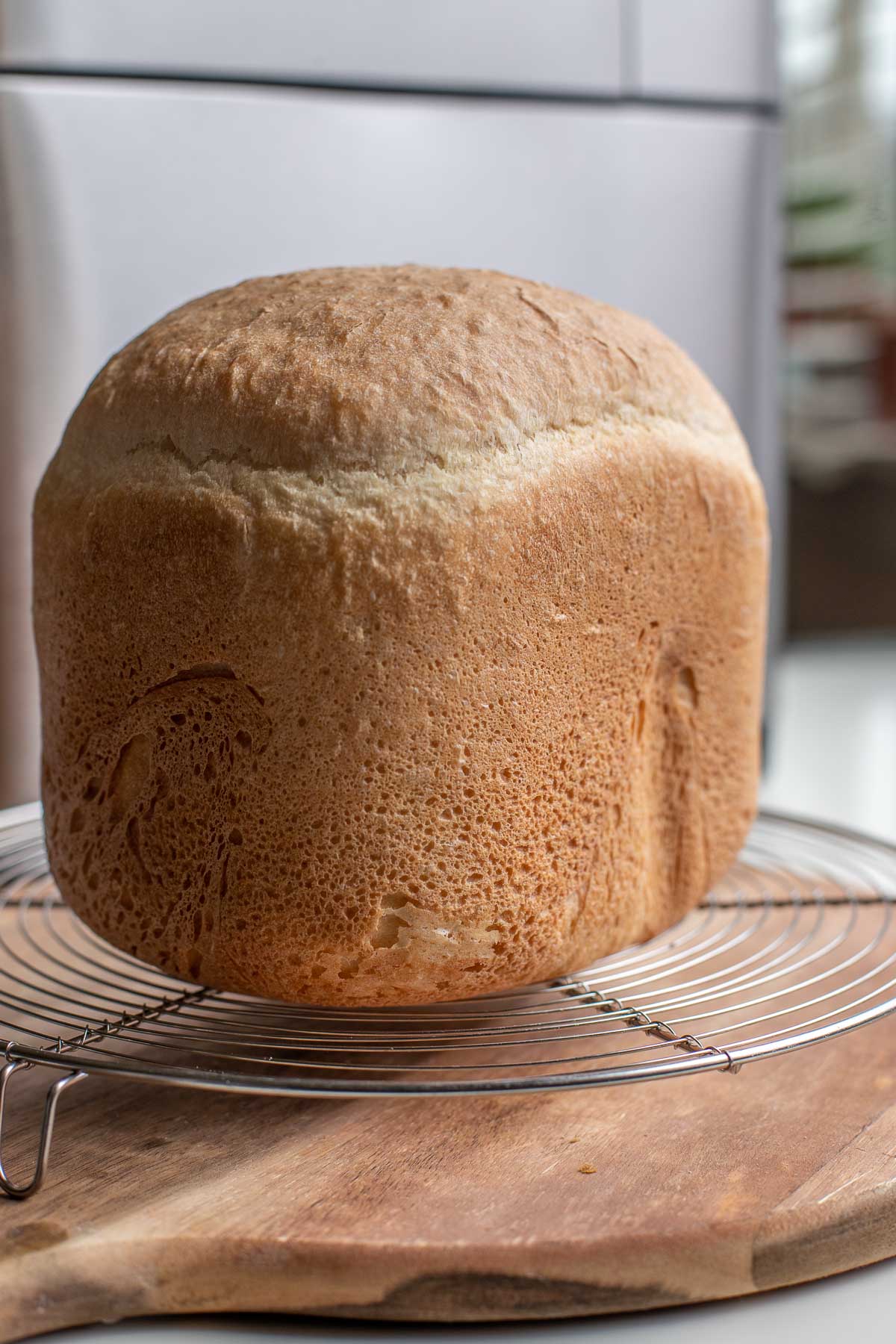
You still get homemade bread.
You still control the ingredients.
You just remove the labor and mental load.
Sourdough especially can turn healthy eating into a full time job. If that excites you, great. If it doesn’t, it is perfectly okay to skip it.
Healthy eating does not require suffering or proving anything.
Keeping things simple is often what allows people to stay consistent.

Final Thought
Healthy eating does not require doing everything yourself.
But when something simple removes unnecessary additives and stress, it is worth considering.
If you eat bread regularly, letting a machine make it for you is one of the easiest food upgrades you can make.
Small swaps.
Real food.
Less overthinking.
That is how sustainable health is built 🍞🌿