Health Benefits of Eggs
And why they’re called “nature’s multivitamin”
Eggs are one of the most complete, affordable, and bioavailable foods available. For generations, they were considered a staple for strength, fertility, and nourishment long before modern nutrition labels existed.
There is a reason they earned the nickname “nature’s multivitamin.”
Why Eggs Are Called “Nature’s Multivitamin”
An egg contains nearly every nutrient the human body needs to function, all in one food.
Eggs provide:
-
High quality complete protein with all essential amino acids
-
Vitamin A for vision, immune health, and skin
-
Vitamin D for immune health, bones, and hormone function
-
Vitamin E for antioxidant support
-
Vitamin B12, B2, B5, and folate for energy and brain health
-
Choline, critical for brain function, liver health, and fetal development
-
Iron, selenium, iodine, and zinc for immunity and metabolism
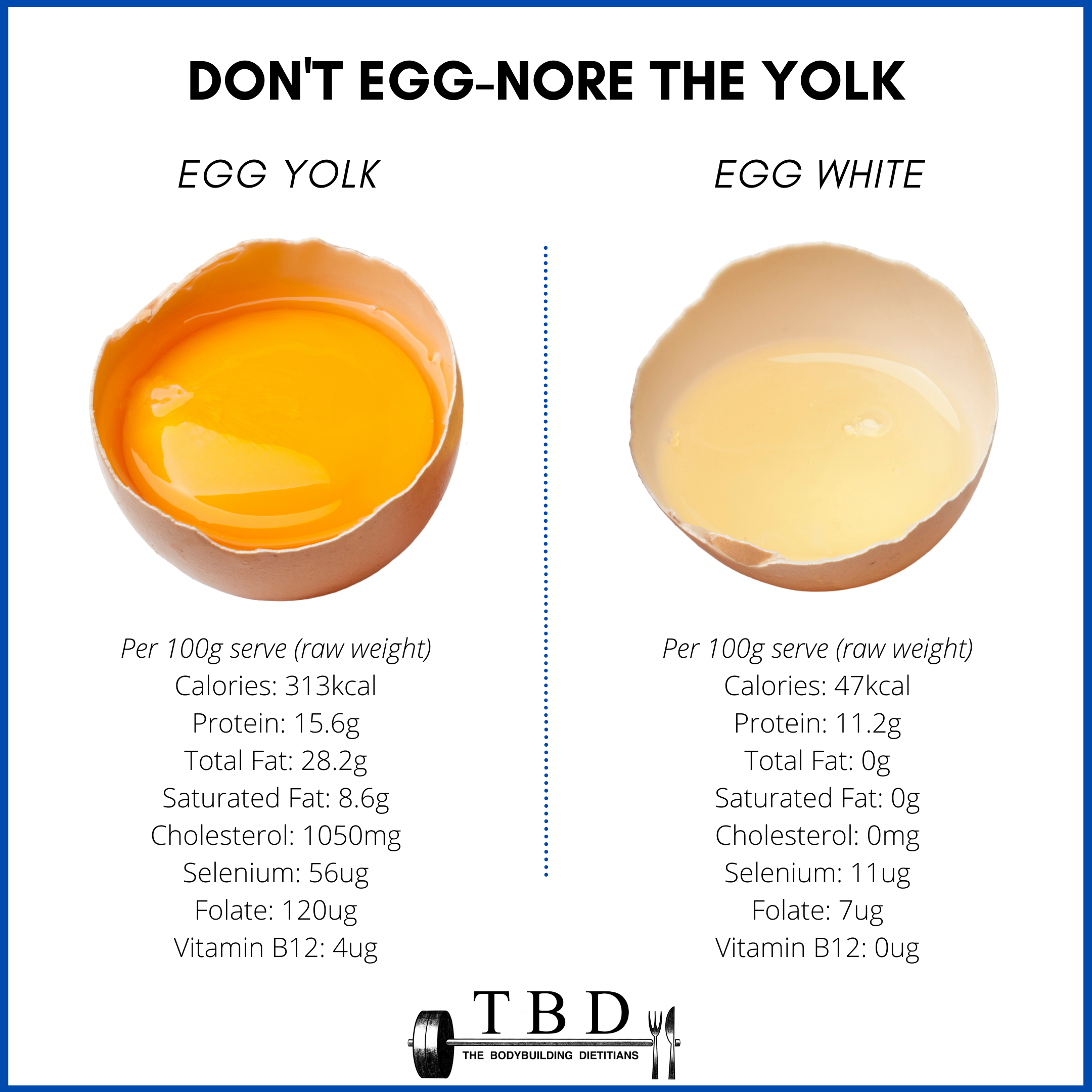
Most of these nutrients are found in the yolk, not the white.
Few foods offer this level of nutrition in such an easy to absorb form.
Protein Benefits
Eggs contain about 6 to 7 grams of high quality protein per egg.
This protein:
-
Supports muscle maintenance and repair
-
Promotes satiety and stable blood sugar
-
Supports hormone and enzyme production
Egg protein is often used as the standard for measuring protein quality because of how efficiently the body uses it.
Brain, Hormone, and Gut Support
Eggs are especially rich in choline, a nutrient many people are deficient in.
Choline supports:
-
Brain and memory function
-
Nervous system health
-
Liver detox pathways
-
Hormone balance
Healthy fats in eggs also support gut lining integrity and nutrient absorption.
What About Cholesterol in Eggs?
This is where eggs have been misunderstood.
Eggs do contain cholesterol, but dietary cholesterol does not automatically raise blood cholesterol for most people.
Important points:
-
The body makes most of its own cholesterol
-
Cholesterol is needed to produce hormones, vitamin D, and bile
-
Studies show eggs have little effect on heart disease risk in healthy individuals
For most people, cholesterol levels are influenced more by:
-
Chronic inflammation
-
Insulin resistance
-
Excess sugar and ultra processed foods
Eggs eaten as part of a whole food diet are generally not the problem.
Eggs and Heart Health
Research increasingly shows that eggs:
-
Can improve HDL (good cholesterol)
-
Support metabolic health
-
Do not increase heart disease risk in most people
As always, individual conditions matter. Those with specific medical concerns should follow guidance from their healthcare provider.
Why Pasture Raised Eggs Matter
Egg quality matters.
Pasture raised or farm fresh eggs typically contain:
-
Higher omega 3 fatty acids
-
More vitamin D
-
Deeper colored yolks
-
Better nutrient density
Eggs from chickens allowed to forage reflect what eggs were meant to be.
Simple Ways to Eat Eggs
Eggs do not need to be complicated:
-
Scrambled, fried, or boiled
-
Added to soups
-
Cooked in butter or olive oil
-
Paired with vegetables or fermented foods
They are one of the easiest foods to add without overthinking nutrition.
Final Thought
Eggs are not a food to fear.
They are a simple, complete, and nourishing option that supports protein intake, brain health, immune function, and hormone balance. When eaten as part of a whole food diet, eggs remain one of the most practical health foods available.
Sometimes the most powerful foods are the ones that have been around the longest 🥚🌿